Oma’s Pride dog-food recall: what dog owners and pet-care providers need to know
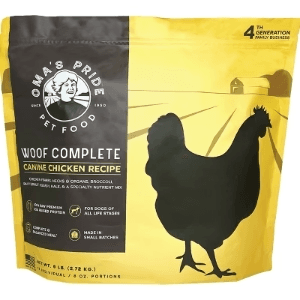
Oma’s Pride has voluntarily recalled one lot of its frozen raw Woof Complete Canine Chicken Recipe after a sample collected and analyzed by the U.S. Food and Drug Administration tested positive for Salmonella.
The FDA updated its announcement on August 17, 2026, to report that three dogs had become ill in association with the complaint. No human illnesses had been reported at the time of that update.
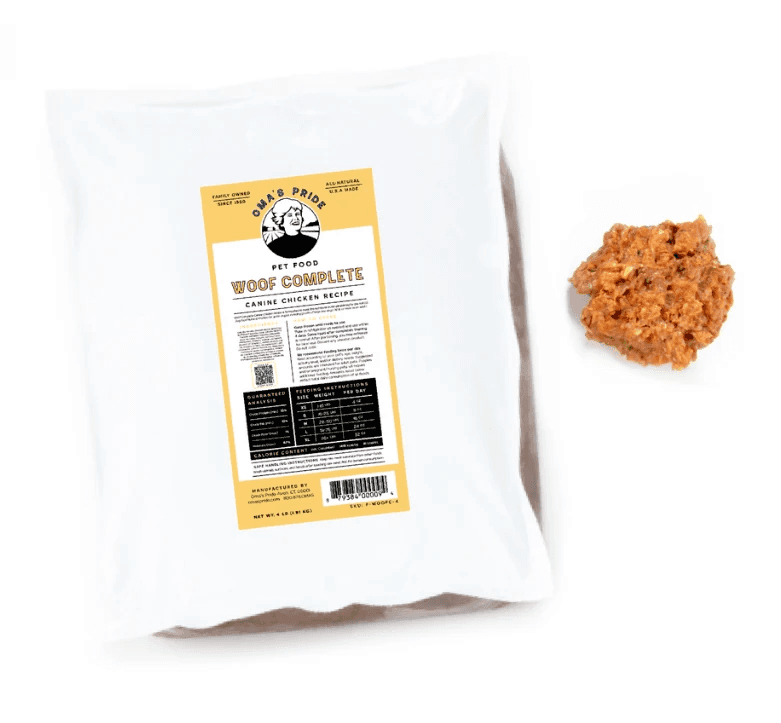
How to identify the recalled food
According to the FDA recall announcement, the recall is limited to:
- Product: Oma’s Pride Woof Complete Canine Chicken Recipe
- Package: 6 lb bag containing twelve individually wrapped 8 oz portions
- Lot number: BB012729
- Item/SKU: F-WOOFC-6
- UPC: 8 7938400145 9
- Manufacturing date: January 27, 2026
- Best-by date: January 27, 2029
- Distribution dates: February 12 through May 15, 2026
The company reported that 639 bags from this lot were distributed to retail and wholesale accounts in Arizona, California, Indiana, Kentucky, Louisiana, Maryland, New Jersey, Nevada, New York, Pennsylvania, and Virginia. The product was also sold directly to consumers online and shipped frozen.
No other Oma’s Pride products, package sizes, or lots are included in the recall, according to the FDA announcement.
What to do if you use or encounter this food
If you have this food at home or find a potentially affected package while caring for someone else’s dog:
- Stop before serving it. Verify the package size and lot information.
- Keep anyone else from using it accidentally. Do not sell, donate, or give the affected food to another household.
- If you are the provider, contact the client promptly. Tell them exactly what you found and send a clear photograph of the package label and lot number.
- Do not improvise a replacement diet for a client’s dog. Follow the owner’s instructions or the dog’s veterinarian-approved care plan. Owners with questions about an appropriate replacement should contact their veterinarian.
- Document the situation. Record when the food was identified, whether any was served, whom you contacted, and the instructions you received.
The FDA advises consumers with an affected package to stop feeding it immediately, dispose of it safely, and contact Oma’s Pride for a refund. The company can be reached at 1-800-678-OMAS or hello@omaspride.com.
Clean anything the food may have touched
Salmonella can affect dogs that eat contaminated food. People can also be exposed while handling the food or touching contaminated bowls, utensils, containers, or surfaces.
The FDA recommends washing and sanitizing pet-food bowls, cups, and storage containers, as well as washing and sanitizing hands after handling recalled food or anything that contacted it. For a pet-care provider, that also means checking food-preparation surfaces, scoops, refrigerator or freezer handles, and any reusable transport containers involved in the feeding routine.
Symptoms that call for professional care
The FDA says dogs with Salmonella infections may experience lethargy, diarrhea or bloody diarrhea, fever, vomiting, decreased appetite, or abdominal pain. Some infected dogs may appear otherwise healthy but can still carry and spread the bacteria.
If a dog has eaten the recalled food and develops symptoms, notify the client immediately and contact the dog’s veterinarian according to the client’s care and emergency instructions.
People exposed to contaminated food can experience nausea, vomiting, diarrhea or bloody diarrhea, abdominal cramping, and fever. Anyone experiencing symptoms after exposure should contact a healthcare provider.
A useful habit for every dog-owning household and pet-care business
Keep food in its original packaging or retain a photograph of the label, lot number, and best-by date. Transferring food into an unmarked container may make storage easier, but it can make a recall much harder to verify. Providers should ask clients to preserve this information as part of their care instructions.
Providers should also maintain current feeding instructions, veterinarian and emergency contacts, and a clear process for documenting unexpected care issues. Fast, accurate communication protects the dog, reassures the client, and gives everyone a reliable record of what happened.
This article summarizes the FDA announcement available on August 20, 2026. Recall information can change. Check the FDA’s current animal-product recall list and the linked recall announcement for updates. This article is general information, not veterinary or medical advice.